The prisoner Andy Dufresne sits on his wire frame bed in his dark prison cell. In his hands, Andy holds a six foot rope. Andy face is a blank slate as he stares at the wall. Knowing he was just about at his breaking point, I waited on the edge of my seat to see what the rope was for. Of course I knew from reading the book, but the movie created suspense so perfectly that I waited for the outcome all the same. The movie Shawshank Redemption, directed by Frank Darabont, follows a man in prison. Andy Dufresne gets a life sentence and is sent to jail where he meets Red. Red thinks Andy is going to break under the pressure of prison life, but he was wrong. Even when exposed to corruption in the prison, Andy trucks on. Andy uses his knowledge with banking and is able to get on the good side of the warden which gets him some preferential treatment. Andy also influences many of the other inmates, including Red who becomes his close friend, and gives them back their hope. Shawshank Redemption is a movie to add to the list of "must see" movies. The film has many elements that engulf the audience in the plot and hold the attention of them.
Symbolism in Shawshank adds depth in the movie making it most enjoyable to watch. The frequency and focus of select objects, allows the audience to give meaning to these items. In the film, Andy plays music over the speakers, gives Red a harmonica, and talks about how no one can take music from the heart. As it might seem, music comes up many times in the movie. The emphasize on music forces the audience to wonder what it could mean. With the attention drawn to the meaning of the music, the audience is submersed in the story. Another symbol in Shawshank is the various poster on Andy's wall. Their is many scenes with the poster, including Andy asking for a poster and scenes with him staring at it. In these times where the poster comes up, the camera normally rests on the poster as if the audience is the one staring at it. The use of focus on the poster ensures the curiosity of the audience about the poster. Viewing the film is therefore more exciting because showing the poster over and over keeps the viewer guessing what will happen with it. Along with focus on the poster, there is focus on another important object. Red, once he gets out of prison, is walking done the street and is looking through a window. The camera follows down a line of guns and then shifts to show a compass, which the camera rests on for a extra second. This kind of focus on the one objects ensures the audience knows the importance of the compass. It changes from the killing frame of mind of the main character to the hopeful outlook, giving this one object much more meaning than a tool. With these different instances symbolism in the movie, the film is more interesting since the viewer is emerged in the feelings of the characters.
Another reason Shawshank should be a "must watch" film would be the attention-holding plot of the movie. The film utilizes suspense, internal action, and external action to keep the audience on their toes during the movie. External action starts in the very beginning of the movie. The guards beat up the prisoners and the prisoners beat on other prisoners. These conflicts in the movie actively engage the audience. They sit on the edge of their seats as the action occurs. The rope is another instance of action. Andy sits on his bed with the rope and the audience doesn't know what he is going to do with it. This scene displays internal conflict because the viewers think Andy might kill himself after what he did. Everyone bites their nails as they wait to see what happens to Andy. Conflicts like these ones occur throughout the movie, keeping the audience engaged in the plot and making it exciting.
Prison movies tend to serve as a reason not to get arrested, but Shawshank Redemption goes much deeper into the minds of the inmates. In the end, the story is an uplifting tale about the hope of a prisoner that had been changed. Every second is a new moment where one of two roads has to be chosen and the characters struggle with the choices. The struggles in the movie gave a new look to the hope one can have in their life and gave meaning to the change a person can be. Seeing the film would transform anyone to have a new outlook on life.
Sunday, October 26, 2014

Saturday, September 20, 2014
Letter: Steven Spielberg
6266 Vineyard Avenue
Ann Arbor MI 48108
September 19, 2014
Steven Spielberg
8329 Sunshine Lane
Farfield California 59281
Ann Arbor MI 48108
September 19, 2014
Steven Spielberg
8329 Sunshine Lane
Farfield California 59281
Dear Mr. Spielberg:

My name is Anne Boxeth and I am a student. Right now, I am studying film and I would like to take a minute to talk about one of your movies. Your work with Schindler's List was beyond amazing and there are many things I loved about the film.
First and foremost, I would like to comment some motifs of the film. Some reoccurring images in the film include death and lists. The use of death in the movie goes beyond just the gruesome effect of the blood. Many scenes have Jews being shot, whether it be an individual seemingly unessential or a massacre during liquidation. It does show just how awful the massacre was during the Holocaust, but it also has some symbolism behind it. Death was used to show how the Jewish life is being bled out of the society and how tragic the ordeal was. The deeper meaning with death played perfectly into the themes of the movie. Lists are also used many times in the films. There are the Nazi lists, which represent evil and death, and Schindler's lists, which represent good. Showing of the Nazi lists in the beginning put the fear in the audience for those people that are now targets. The lists help show the struggles of the Jews with the way the Nazi dehumanize them by categorizing them. Marking each one as nonessential or essential makes them seem like tools to be thrown away once they reach the end of their usefulness. These lists set up the main struggle of the movie perfectly with Schindler slaving over his list to beat the Nazis.
The development of the themes through the protagonist is also dominant part of the film. One of the themes is the difference an individual can make. Schindler, the protagonist, is working to save many Jews from death. Much of the movie follows him employing many Jews in his factory, which then he uses as a way to buy their names to save them from getting sent to a camp. Following Schindler through the movie plants how heroic he is in the mind of the audience. He makes a huge difference in the lives of many of these people. Not only does he give them work, but he also ensures they do not get sent to concentration camps which comes with a personal sacrifice on Schindler's behalf. The message of the movie centers around this idea that one person can make a difference and it is explained with every action taken by Schindler.
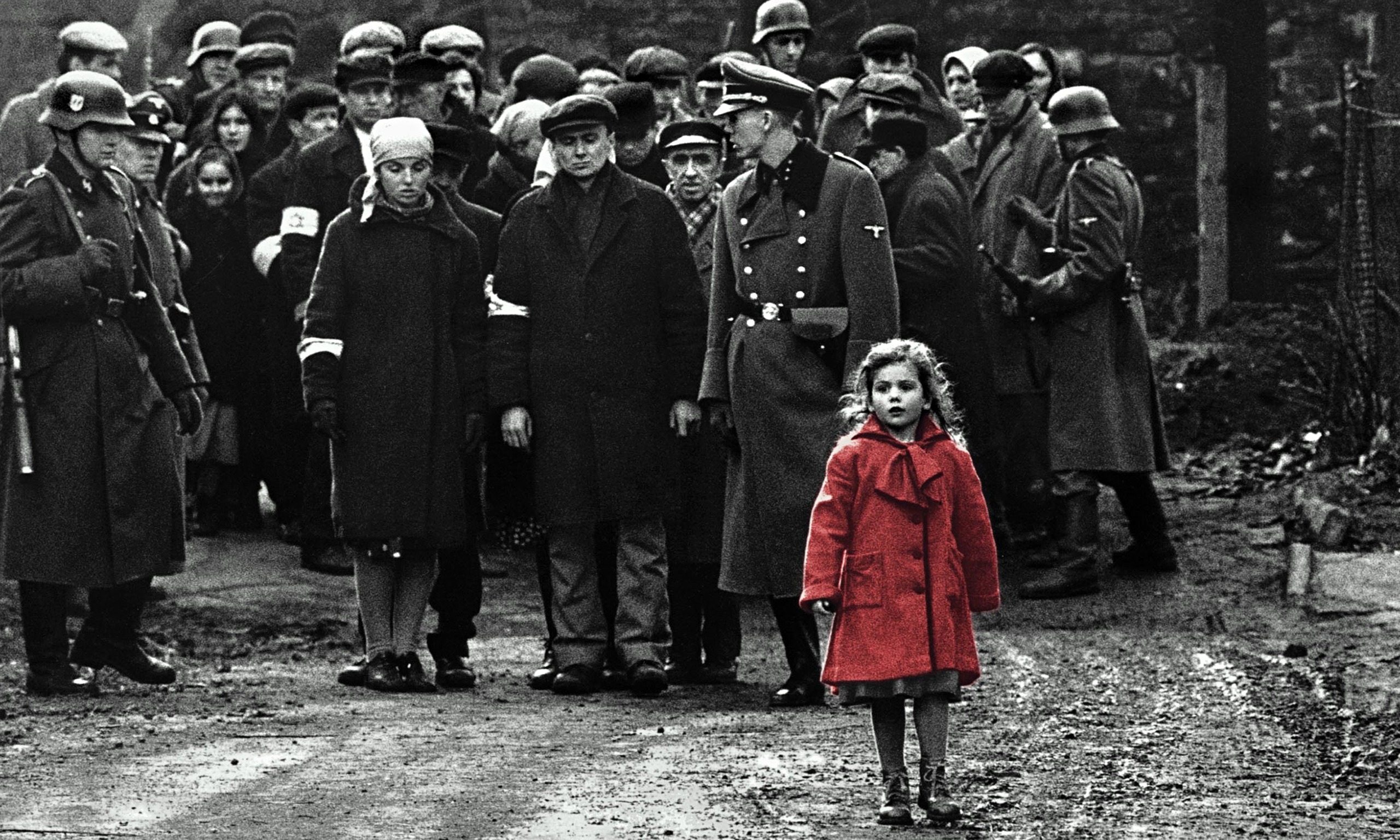 Lastly, I would like to talk about setting up the movie. One scene that stands out in my mind is Schindler watching a little girl in red flee the Nazis during liquidation. This point is not the last we see of the little girl. Later in the movie, the red coat jumps out at you in a pile of bodies that Schindler passes. Spotting the little girl again helps Schindler realize the extent of the Nazi terror. The little girl was so innocent wandering through the crowds of people when he first saw her and without legitimate reason she was slaughtered. Without giving the girl any sort of back story, her death would have meant much less in the film. Introduction of this child gave the movie more depth and helped explain the reasons behind Schindler's actions. Without giving information earlier in the movie, the girl's death would have been less significant and the film would be missing some of the emotional effect brilliantly added with the scene.
The movie Schindler's List has had a huge impact on my life. I get emotional every time I see the movie. Many element of the film were pure genius but the motifs, protagonist based theme development, and the scene set ups were just amazing. I just wanted you to know how much I appreciated your work with the influential piece.
Sincerely,
Anne Boxeth
First and foremost, I would like to comment some motifs of the film. Some reoccurring images in the film include death and lists. The use of death in the movie goes beyond just the gruesome effect of the blood. Many scenes have Jews being shot, whether it be an individual seemingly unessential or a massacre during liquidation. It does show just how awful the massacre was during the Holocaust, but it also has some symbolism behind it. Death was used to show how the Jewish life is being bled out of the society and how tragic the ordeal was. The deeper meaning with death played perfectly into the themes of the movie. Lists are also used many times in the films. There are the Nazi lists, which represent evil and death, and Schindler's lists, which represent good. Showing of the Nazi lists in the beginning put the fear in the audience for those people that are now targets. The lists help show the struggles of the Jews with the way the Nazi dehumanize them by categorizing them. Marking each one as nonessential or essential makes them seem like tools to be thrown away once they reach the end of their usefulness. These lists set up the main struggle of the movie perfectly with Schindler slaving over his list to beat the Nazis.
The development of the themes through the protagonist is also dominant part of the film. One of the themes is the difference an individual can make. Schindler, the protagonist, is working to save many Jews from death. Much of the movie follows him employing many Jews in his factory, which then he uses as a way to buy their names to save them from getting sent to a camp. Following Schindler through the movie plants how heroic he is in the mind of the audience. He makes a huge difference in the lives of many of these people. Not only does he give them work, but he also ensures they do not get sent to concentration camps which comes with a personal sacrifice on Schindler's behalf. The message of the movie centers around this idea that one person can make a difference and it is explained with every action taken by Schindler.
Lastly, I would like to talk about setting up the movie. One scene that stands out in my mind is Schindler watching a little girl in red flee the Nazis during liquidation. This point is not the last we see of the little girl. Later in the movie, the red coat jumps out at you in a pile of bodies that Schindler passes. Spotting the little girl again helps Schindler realize the extent of the Nazi terror. The little girl was so innocent wandering through the crowds of people when he first saw her and without legitimate reason she was slaughtered. Without giving the girl any sort of back story, her death would have meant much less in the film. Introduction of this child gave the movie more depth and helped explain the reasons behind Schindler's actions. Without giving information earlier in the movie, the girl's death would have been less significant and the film would be missing some of the emotional effect brilliantly added with the scene.The movie Schindler's List has had a huge impact on my life. I get emotional every time I see the movie. Many element of the film were pure genius but the motifs, protagonist based theme development, and the scene set ups were just amazing. I just wanted you to know how much I appreciated your work with the influential piece.
Sincerely,
Anne Boxeth
Subscribe to:
Posts (Atom)